
Hello India!
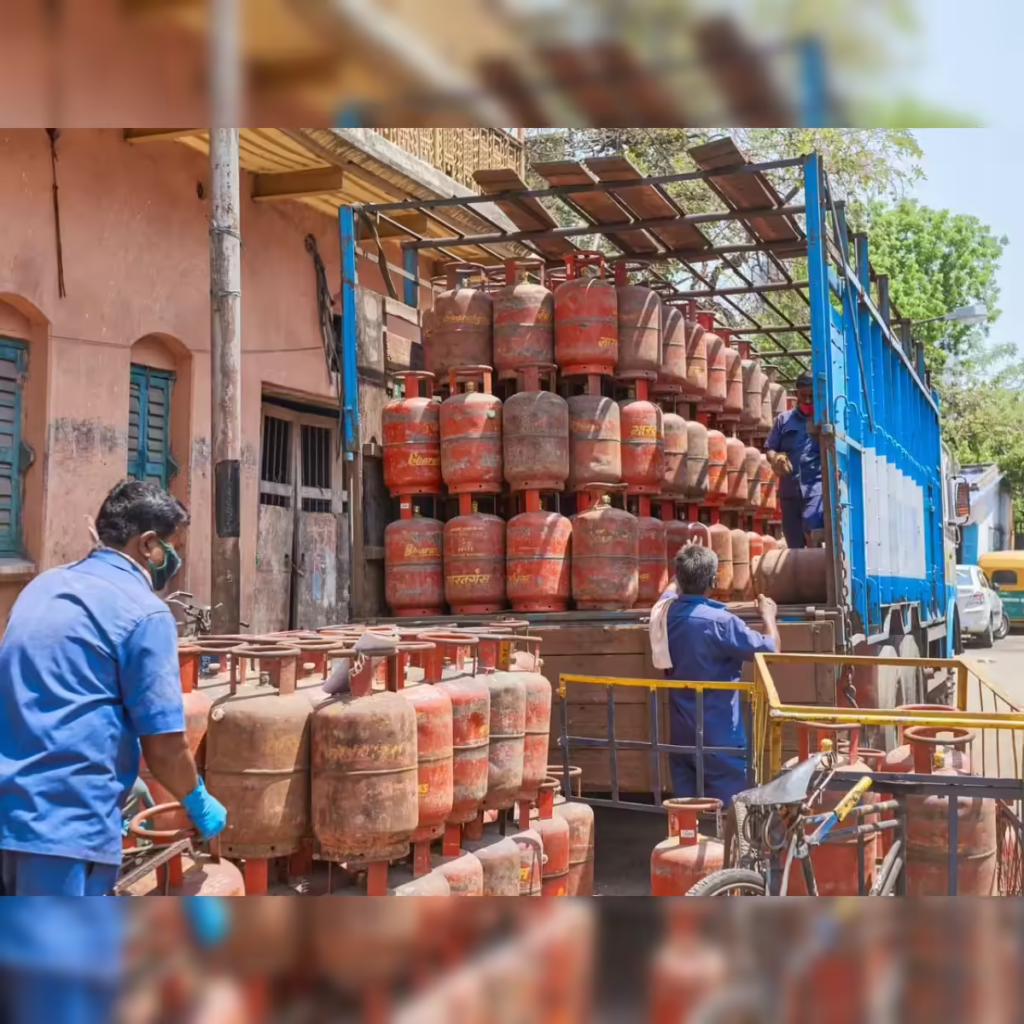
But in a world where most energy is generated domestically from renewables, would the same threat trigger the same global shock? Would instability in the Gulf still lead to more expensive food and fuel across the world? Or would the economic aftershocks look very different?
To understand what’s at stake, we need to first look at how today’s energy system is structured.
In today’s fossil-fuelled economy, markets react to Iran’s attacks on oil and gas facilities in the Gulf and the threat to close the strait of Hormuz. Oil prices jump. Governments brace for inflation. Around a fifth of the world’s traded oil passes through the narrow corridor, linking the Gulf states to the wider world. When tensions rise there, energy markets react instantly.




Hi, this is a comment.
To get started with moderating, editing, and deleting comments, please visit the Comments screen in the dashboard.
Commenter avatars come from Gravatar.